What I miss about “Makar Sankranti”: The Indian Thanksgiving festival
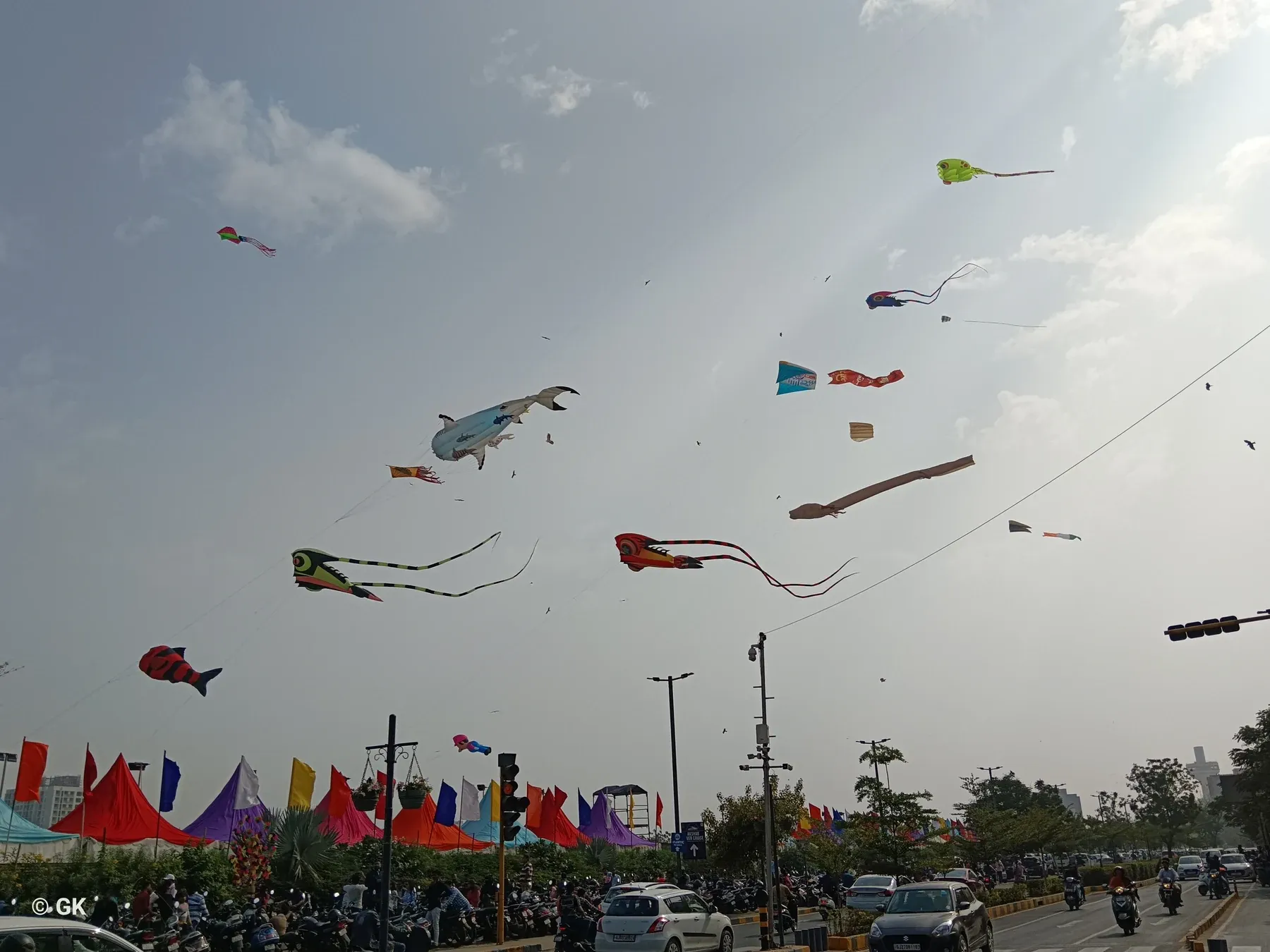
An all-Indian harvest festival, Makar Sankranti is named after the astrological event of the sun entering the Capricorn (Makara) zodiac sign. The nation bursts into thanksgiving and celebration when farmers’ labour pays off with abundant harvests. Makar Sankranti is a celebration of cultural variety in India because every region has its own traditions that are celebrated throughout the holiday. During the International Kite Festival in Gujarat, the sky is turned into a colourful riot by numerous kites. In the southern Indian state of Tamil Nadu, Pongal is a time for celebration when a namesake sweet dish is prepared, signifying abundance and fortune. In Punjab, people congregate around Lohri bonfires to celebrate the harvest with music and dance. Participation in the festivities is enriched by the unique flavours of Assam’s Megh Bihu, Bengal’s Poush Sankranti and Orissa’s Makara Chaula.
Signature foods are an essential part of any Indian event. Sweets cooked with sesame seeds and jaggery are a universal symbol of love and affection on Makar Sankranti. ‘Tilgul’ in Maharashtra and ‘Pitha’ in Assam are more than just delicacies; they are means of connecting with one another and spreading kindness.
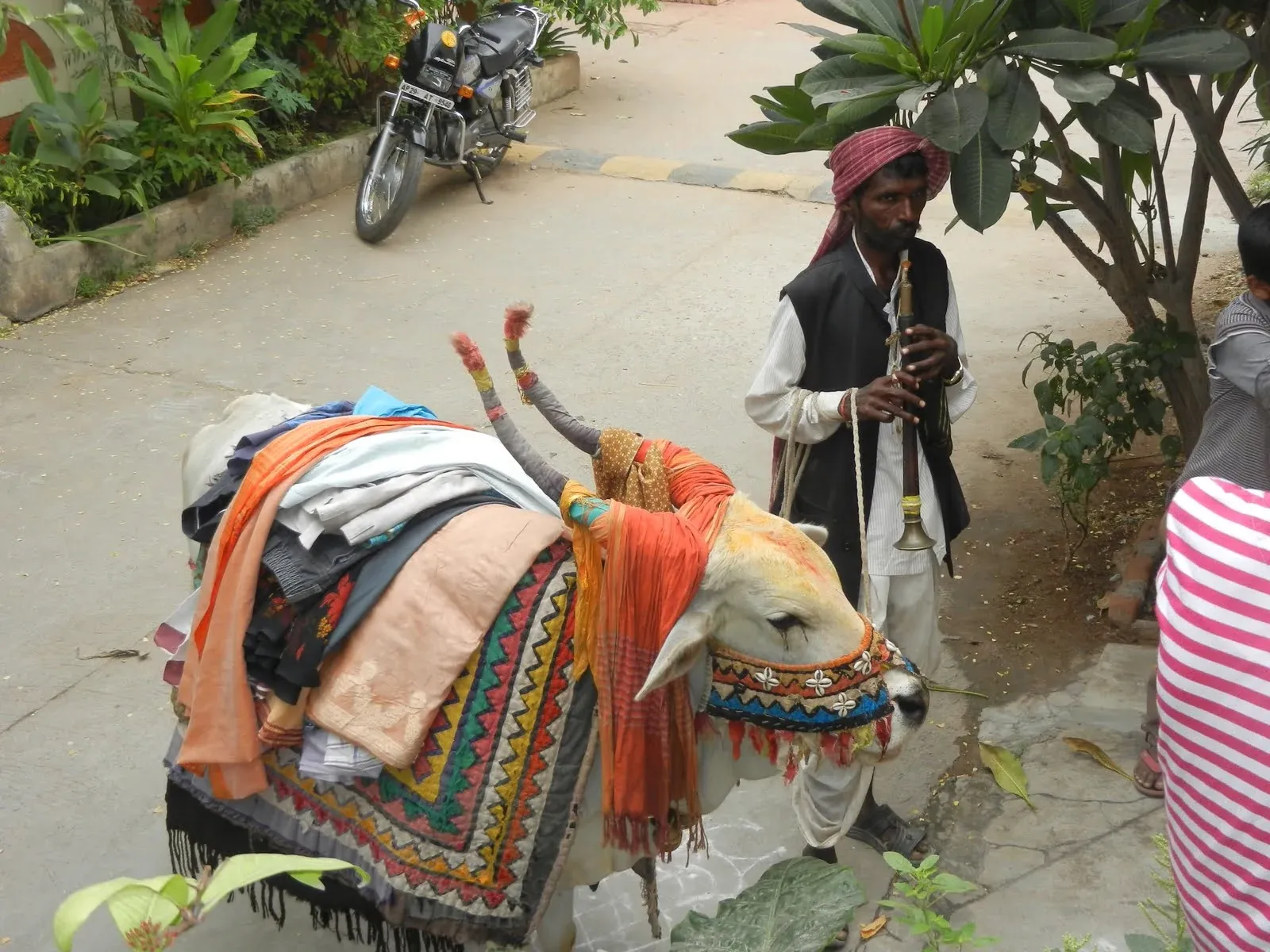
Spirituality is deeply ingrained in Makar Sankranti. As a time of reflection, resolution-making, and devotion to Surya, the sun deity, many take a dip in the sacred rivers in the belief that it cleanses the soul.
The festival of Makar Sankranti is an opportunity for people of all backgrounds to come together in celebration to thank the abundances given by nature and the farmers that help harness them. This festival is a celebration of the rich agrarian tradition of India and the heritage that signifies unity.
Personal Note:
Having lived away from India for a while and missing many festivals back at home, I had decided that I would celebrate the major Hindu festivals in my own way, however big or small. The thing that binds me to the culture is primarily the celebration through food. Every festival has a specific delicacy that is traditional, seasonal, and authentic to the region it comes from. In my case, Mom would tell me what to do, and I would try to do just that or a modified version of that (depending on what ingredients were available). For Sankranti, it is Ellu Bella in Karnataka, which is a mix of sesame seeds, groundnuts, jaggery, sugar crystals, dry coconut, and roasted chickpeas. These are distributed to relatives and neighbors while saying “Ellu bella thindu olle mathaadi” in Kannada. This means ‘Eat sesame seeds and jaggery and speak kindly or choose kind words’.
Other than Ellu Bella, there would also be boiled sweet potatoes and sugarcane. I don’t know if you can imagine the simple pleasure of eating fresh sugarcane. I miss those small joys of living in India around family. I have never seen sugarcane in the markets in Europe, sometimes in the fields while going by train.
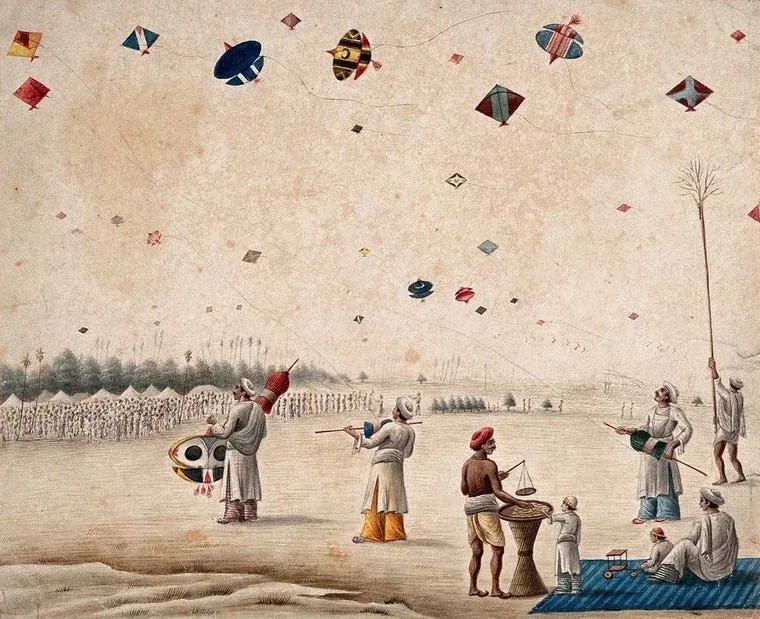
The other thing I miss is flying kites. Kite flying has been a past-time since many centuries. As a child growing up in India, I enjoyed it too because it brought the old and young together. The elders in my house and neighborhood would teach us how to do it right while we munched on all the goodies. But today this is one skill I have lost: the art of making and flying kites. In school, we had a subject called SUPW (Socially Useful Productive Work). During this season, we would all sit in class and make kites. And of course, test out the physics of flying them. The paper type, the spine, the spool, and the wind to make it fly — everything needed to be right. Today, I don’t even know where to start if I want to fly a kite while sitting in Italy. I guess I will try it in the coming months when spring arrives. When I do, I will share my experience here.
Here is a little GIF I created of my memories flying kites, eating elle bella and wearing a traditional dress “Reshmi Langa-Blouse” (Silk Skirt-Blouse), the quintessential holiday necessities.