“The Giglio of Florence” : A Flag Rich in History and Culture
While walking through the picturesque historic centre of Florence, one sign or symbol will surely catch your eye. A red stylized lily on a white background, commonly known as the Giglio of Florence representing ‘the city of flowers’. Everywhere you look, you’ll find it, on the Duomo, Palazzo Vecchio in Piazza della Signoria, Sculptures, Signages, Motifs, Window Grills, even Manhole covers and Dustbins. The appearance and representation of Giglio speak of its historical significance and cultural identity in the city of Florence which spans generations.

Historical Background
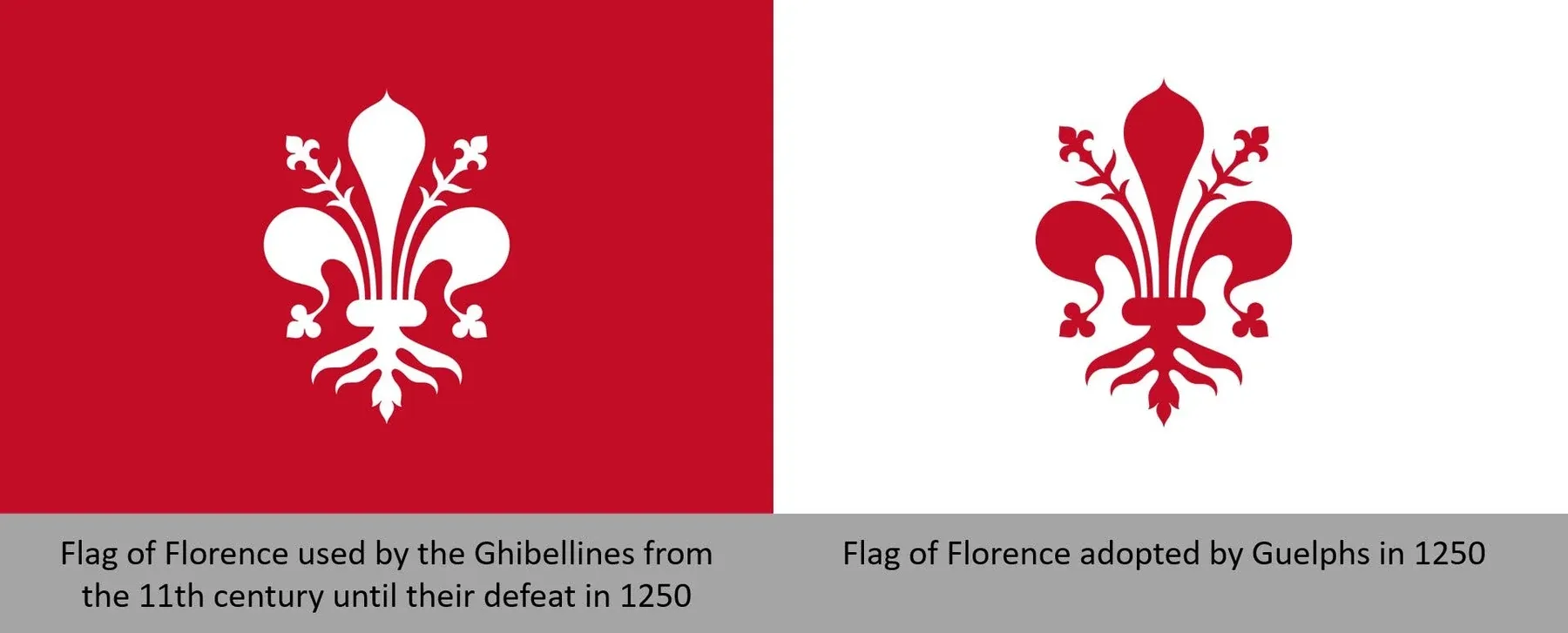
The story of the city’s flag began in the 11th century, when the fleur-de-lis first appeared on the heraldic of Florence. The emblem’s original design featured a red backdrop with white lilies. Red on white became the new colour scheme as the years passed.
The Ghibellines (groups in the Italian city-states of Central and Northern Italy during the Middle Ages that supported the Holy Roman Emperor) of Florence selected a coat of arms featuring a red field adorned with white fleur-de-lis in the eleventh century. But in 1250, their adversaries, the Guelphs (supporters of the Pope), vanquished them. A red fleur-de-lis on a white backdrop is the result of the Guelphs inverting the colours.
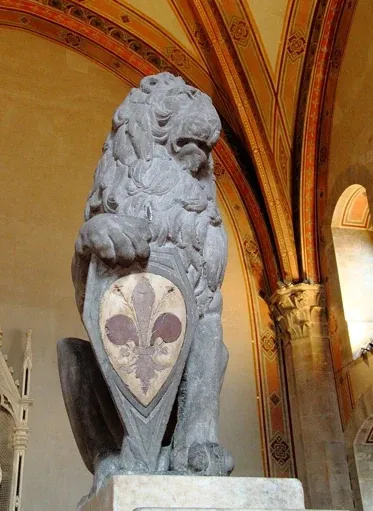
The city’s public buildings and numerous others began to feature this emblem. It also appeared on the heraldic lion emblem of Florence, the shield of Marzocco.
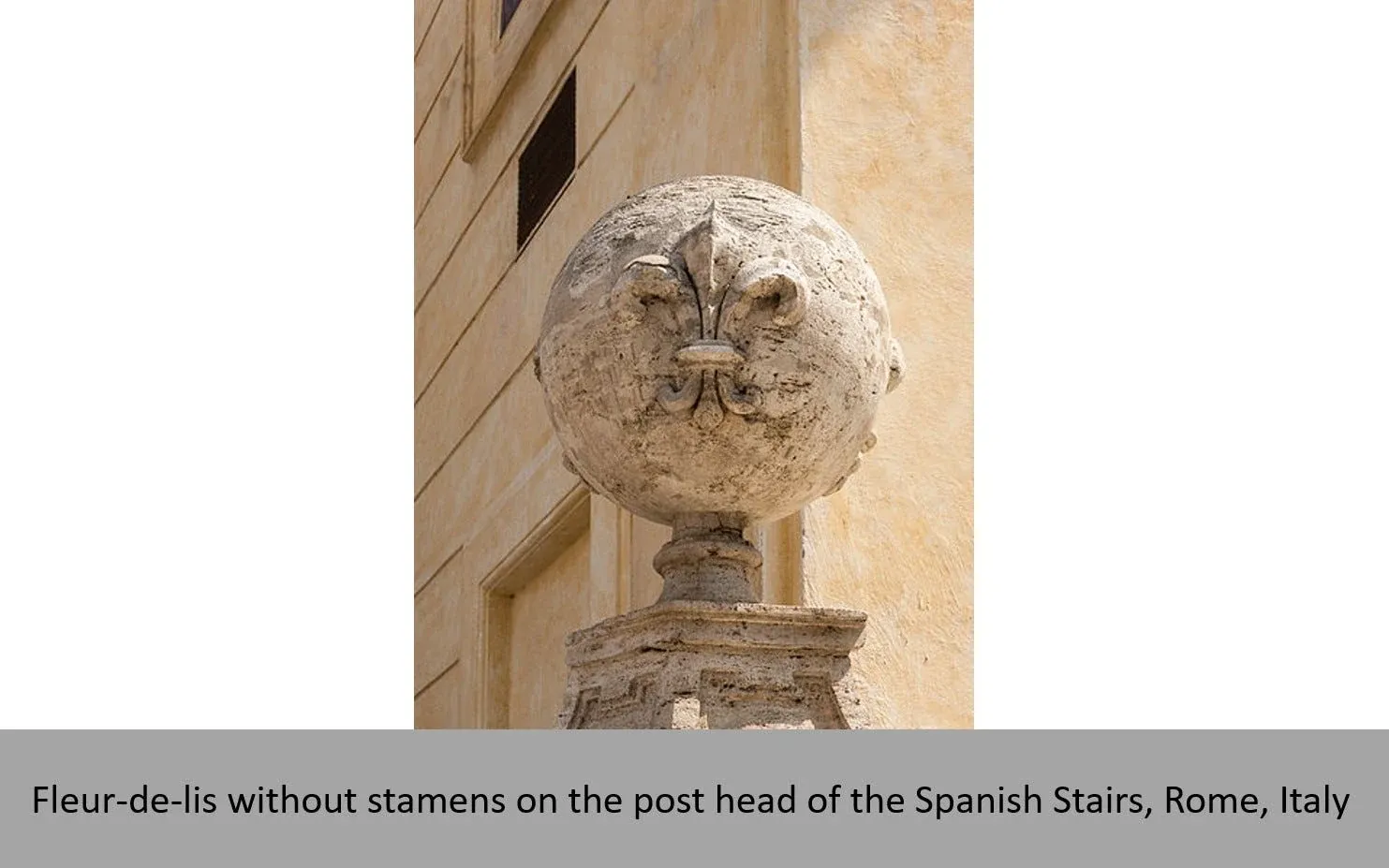
Although renditions outside of Florence did not include the iris stamens — reserved only for city symbols — the flag nevertheless came to symbolize the might and strength of the Florentine people.
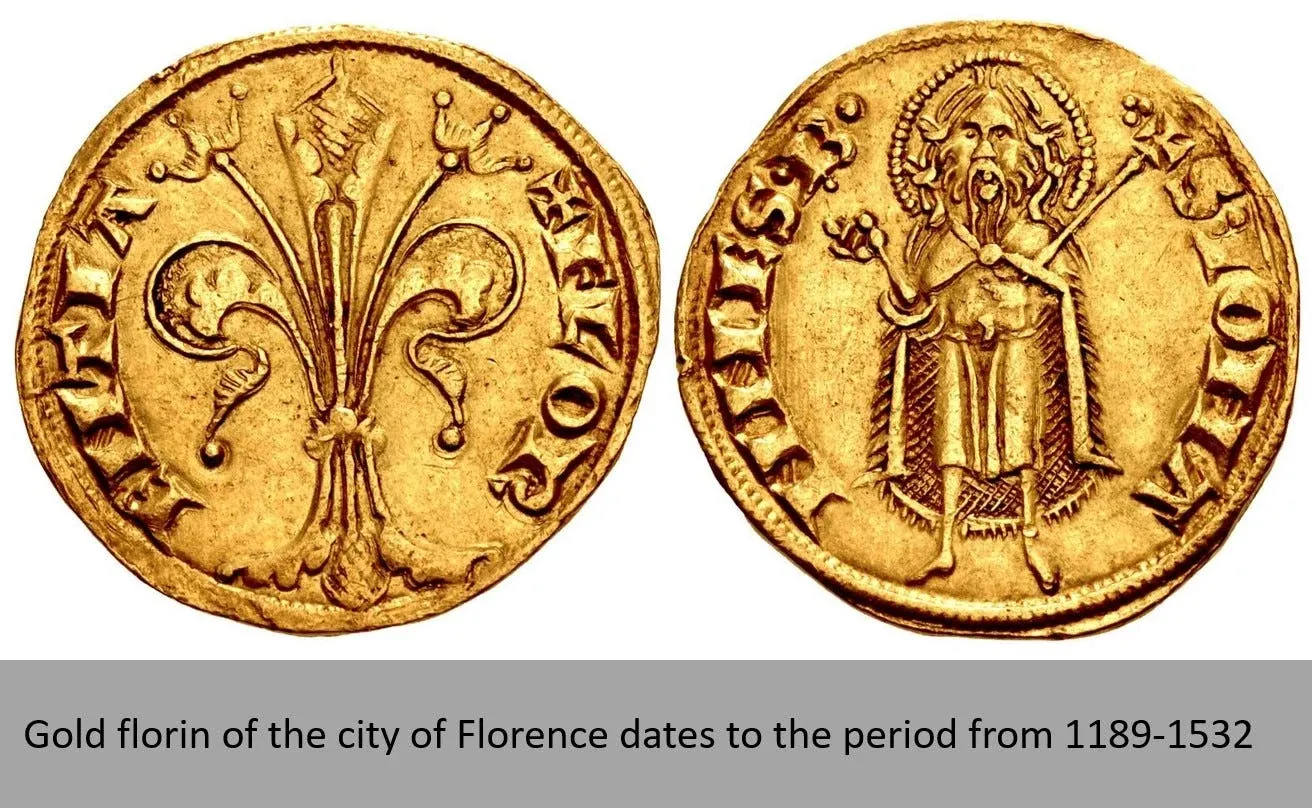
In 1252, the city also struck its first Florin coins, which depicted the flag.
After Alessandro de’ Medici was named the Duke of the Florentine Republic in 1532, Pope Clement VII ordered the gradual replacement of the Giglio of Florence with the Medici coat of arms. Nonetheless, the Giglio of Florence persisted in its widespread usage and remained an enduring symbol of the city.
Efforts were made to outlaw the Giglio of Florence and replace it with a different flag during Napoleon’s reign (1808–1814). The idea was abandoned due to the people’s strong opposition and violent protests.
Symbolic Meaning: A Lily of Virtue
Since Florence was founded in honour of the Virgin Mary, the city’s name is frequently linked with innocence and virtue. The Giglio developed into its current form as a modern take on the classic French fleur-de-lis over the course of several centuries. The unique style of the fleur-de-lis of Florence has helped in maintaining its distinct identity as a symbol of the city.
The red fleur-de-lis on a white field that makes up the Florence flag is more than just a city flag. It is a representation of the city’s rich and legendary past. It stands as a symbol of the city’s cultural heritage, its devotion to Mary, and its socio-political evolution. As you stroll through the enchanting alleys of Florence, pause to admire the flag that soars far above — it’s a colourful fabric crafted from the strands of heritage, tradition, and community spirit.
Bonus

Here is a picture of the Palazzo Vecchio on the Christmas Eve of 2023 where you can spot the Giglio of Florence and other coat of arms painted on its facade under arched corbels supporting its balcony. The next time you see the Giglio of Florence, you know its story and significance. If you feel like sharing a picture of where you spotted it or a new design, write here in the comments or share it on Instagram and tag Heritageo_org!
Support my love for heritage by providing me the fuel to read and write. I would love for you to buy me a coffee here. A big thank you for your support.