“Capuchin Friars and “Cappuccio”: A tale of how the most beloved Coffee got its name.
A very popular viewpoint in Turin, Italy is Monte dei Cappuccini which has the Church of Santa Maria al Monte dei Cappuccini. A popular local hill to see the city and the Alps in panorama. I have gone up the hill a few times and I had always wondered if Monte dei “Cappuccini”, was somehow related to my favourite coffee “Cappuccino”? Turns out they are the same. Here’s what I found, but first some pictures from the top of the Mount of the Capuchins!
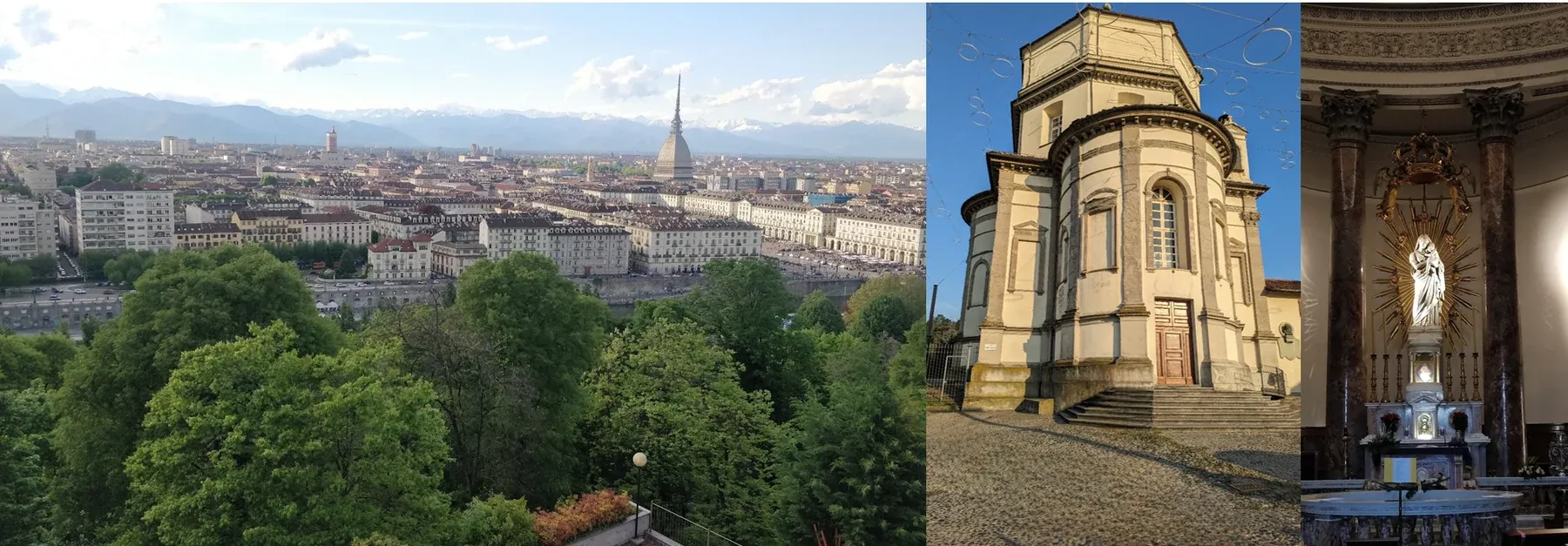
This frothy, espresso-based treat turns out to have an interesting history and the story of a connection that begins with the Italian Capuchin friars.
The “Cappuccio” Association and the Capuchin Friars
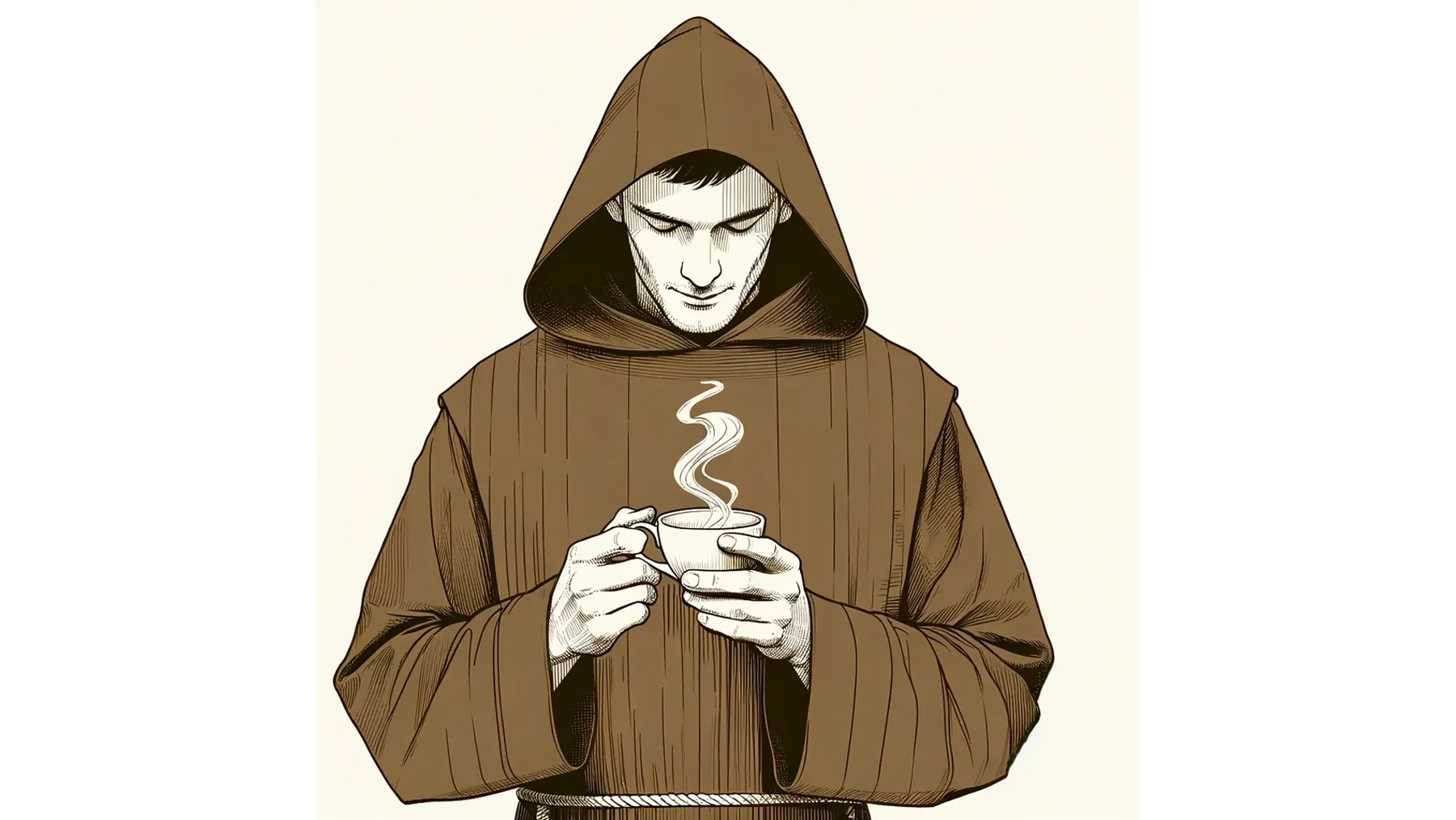
The Franciscan friars of the Capuchin order, who adhere to an austere and meek lifestyle, first settled in Italy in the 1600s. Italians called the long, pointed hood that these friars wore a “cappuccio.” The friars’ brown robes were clearly identifiable like in the picture below. The cappuccino is associated with the Capuchin friars because of the colour of their robes. Their outfit, which was a deep, dark brown, looked very much like a cappuccino in its finished form. The naming of the coffee drink was based on this visual resemblance.
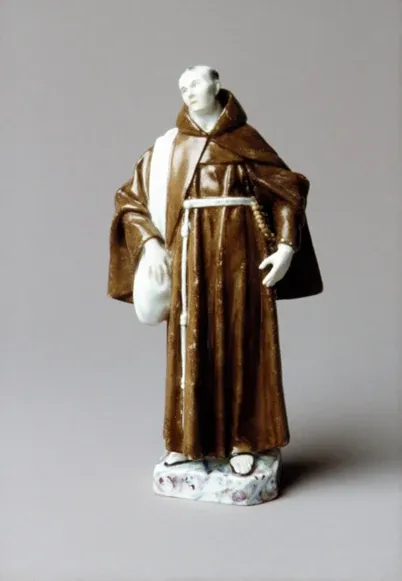
Now you might have thought that the Capuchin frairs had something more to do with coffee other than the colour, but the modern cappuccino did not emerge until the early twentieth century. So what I really don’t know is who decided that the colour of their robes is what the drink should be names for.
On anther note, the widespread popularity of the espresso machine in 1901 drove the popularity of the capuccino at that time. The word “cappuccino” was initially used to describe coffee in the 1930s. There is also an interesting but unproven urban legend states that the cappuccino was invented by an Italian Capuchin monk called Marco d’Aviano following the Battle of Vienna. There is also an some connection drawn to the early strain of this beverage that was popular among the Viennese, who called it the “Kapuziner.”
The “cappuccino” moniker and the coffee itself were huge hits throughout the twentieth century. What started out as a regional Italian delicacy is now a much-loved drink all across the world. The velvety milk foam and rich espresso foundation of a cappuccino make it a popular beverage in cafés and coffee shops around the globe. The humble cappuccino has blossomed into a worldwide phenomenon, beloved by coffee lovers everywhere, thanks to its humble origins. The next time you enjoy a cappuccino, think of the monks who, perhaps unknowingly, helped establish this wonderful coffee custom.
Bonus
As Italians do it traditionally, a cappuccino is of the ratio 1:1:1, i.e., espresso, steamed milk and milk foam in equal proportions. A popular Breakfast in Italy is Cappuccino and Brioche but only until its 11am. Many Italians follow a “No cappuccino after 11 am” rule. So, if you order a cappuccino after 11 am you might make someone cringe or frown and in some places you run the risk of not getting a cappuccino at all. To me though, it is well worth the risk for a good Italian capuccino :P
You could help me with my love for Cappuccino and buy me a coffee here. Thank you.