Ticket Prices of Top 10 Famous Paintings of the World — Revealing the Price of Artistry and their Locations.
The power of art is immense and has been so since the time we learned to create it. Art can provide a sense of escapism — a feeling we can’t describe yet that is deep and impactful. Art lovers all over the world treasure the most well-known and cherished paintings, but getting your hands on them isn’t always affordable. Even though they are everywhere — prints, shopping bags, notebooks, travel souvenirs, posters, even artworks made as renditions of the original — the original has always been revered. Let’s reveal the enigmas and backstories of some of the most cherished artworks in the world and the cost of standing face to canvas to see them for real.
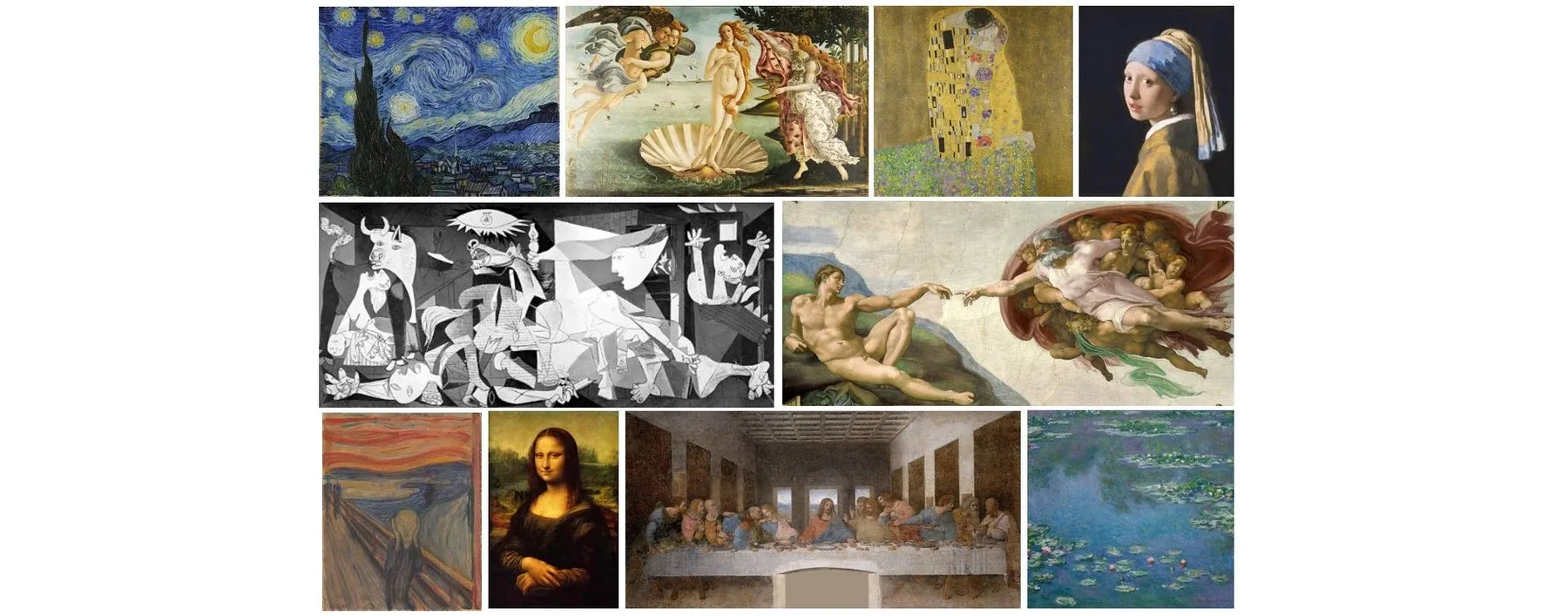
By capturing the spirit of their times, artists, and the feelings they inspire, iconic paintings provide glimpses into the human experience. In addition to captivating numerous admirers from all around the world, these enduring masterpieces have permanently imprinted themselves on our collective consciousness. Artworks such as the mysterious “Mona Lisa” by Leonardo da Vinci and the moving “Starry Night” by Vincent van Gogh have stood the test of time and continue to captivate, contemplate, and motivate anyone fortunate enough to lay eyes on them. They sit in various museum around the world which have become bucket-list destinations for art lovers.
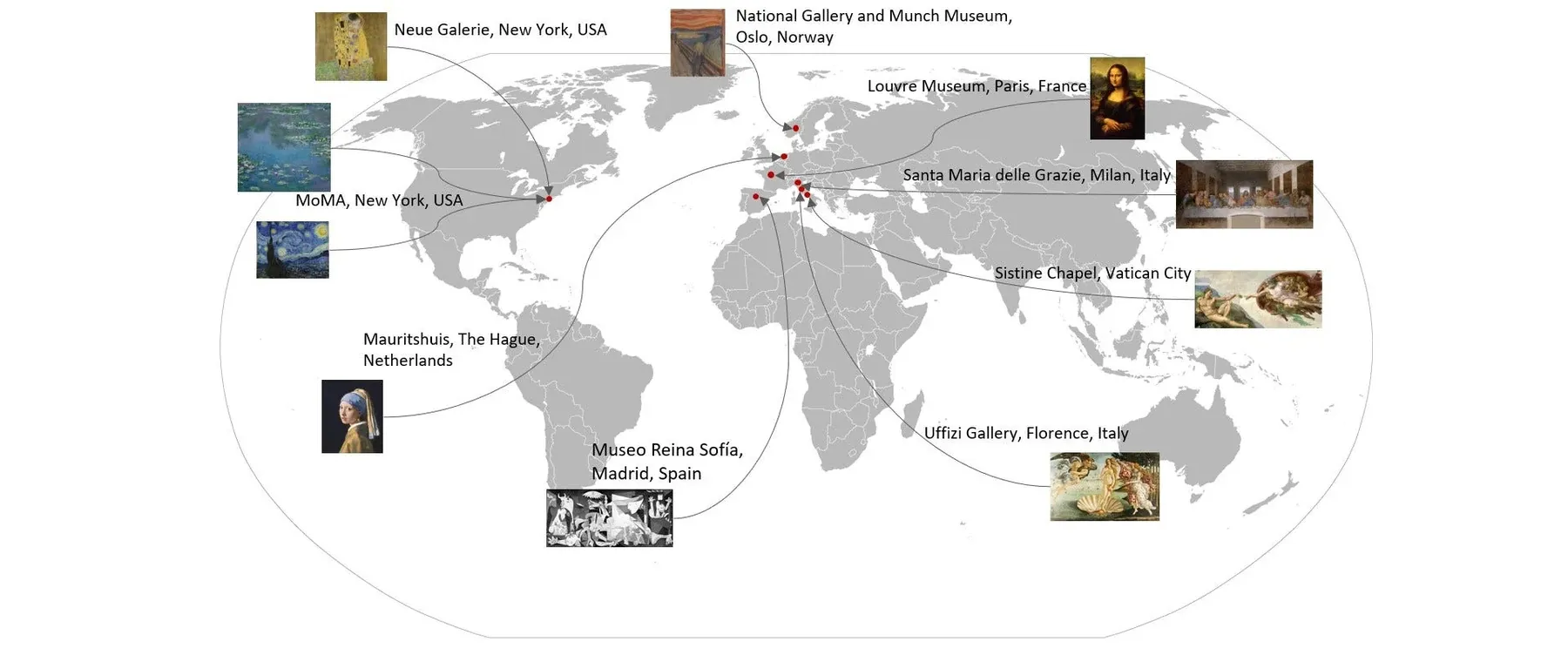
These works of art are priceless; we’d all agree, but how much do you pay to be in their presence?
1. Leonardo da Vinci’s ‘Mona Lisa’
Ticket cost: €22 ($24)
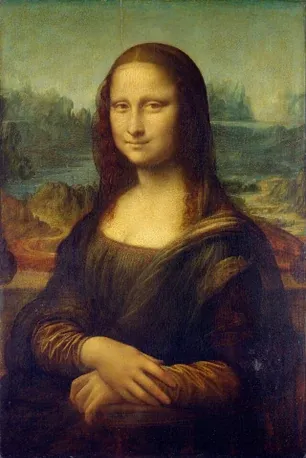
She was painted between 1503 and 1519 and sits in the Louvre Museum in Paris. There are many other famous works in the museum, yet she is the most visited artwork in the Louvre Museum and even the world.
2. Vincent van Gogh’s ‘The Starry Night’
Ticket cost: $28
Van Gogh painted the Starry Night at dawn in the month of June of 1889 from his asylum window at Saint-Rémy-de-Provence, France. In early June, Vincent van Gogh wrote to Theo, “This morning I saw the countryside from my window a long time before sunrise with nothing but the morning star, which looked very big”, probably around the time he painted the masterpiece. The painting, like many other of his works, gained recognition and popularity decades after his death.
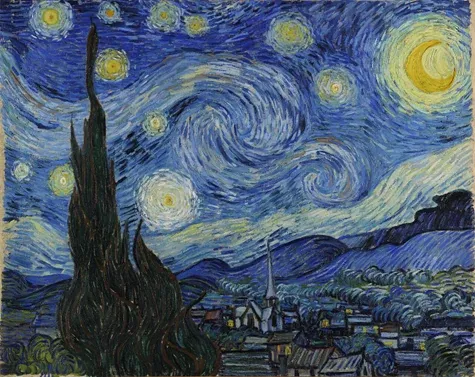
Today, ‘The Starry Night’ sits in the Museum of Modern Art in New York City. But it is seen all around us in many representations.
3. Leonardo da Vinci’s ‘The Last Supper’
Ticket cost: €15 ($16.50)
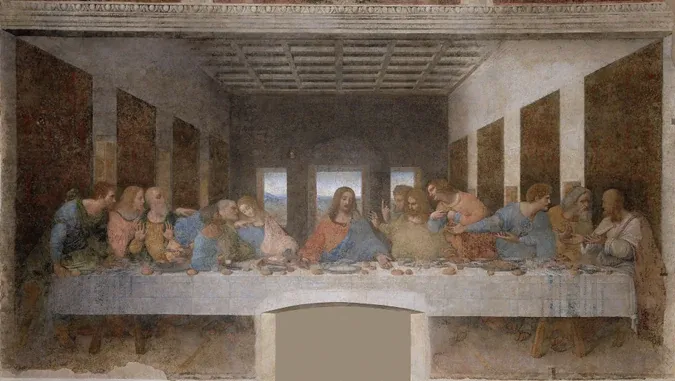
Da Vinci painted The Last Supper between 1495 and 1498, during the Renaissance period in Italy. Originally commissioned as part of the restoration of the convent’s dining hall, the Last Supper is now housed in the Convent of Santa Maria delle Grazie in Milan, Italy. Its location has been unchanged. The unusual appearance and gradual degradation of this work of art are both because of Leonardo da Vinci’s employment of an experimental technique called “fresco secco” — a combination of tempera and oil-based paint on dry plaster — in its creation.
The tickets to see this painting have to be booked in advance, especially during the holiday season, sometimes as early as 3 months before the visit.
4. Sandro Botticelli’s ‘The Birth of Venus’
Ticket cost: €25 ($27.50)
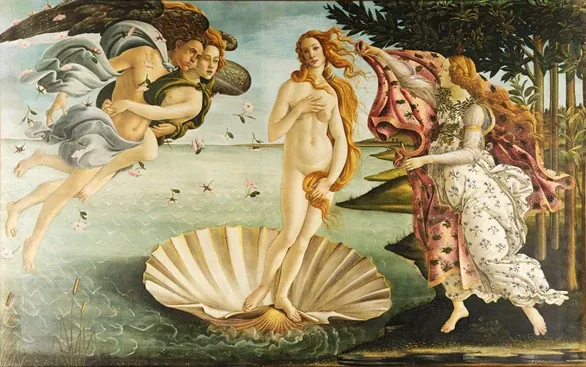
Sandro Botticelli, an Italian Renaissance master, painted “The Birth of Venus” in the mid-1480s. The goddess Venus emerges from the water and stands on a seashell in the artwork as the wind gods Zephyr and Aura carry her to land. With her flowing golden hair and elegant posture, she is depicted as a stunning and idealized figure. The nymphs are all around her, and one of them is even prepared to wrap her in a cloak when she comes. The picture showcases Botticelli’s talent for depicting the female form and his fascination with ancient Greek and Roman art, while also combining elements of classical mythology with Renaissance aesthetics. One of the most renowned works of Italian Renaissance art, “The Birth of Venus,” is displayed at the Uffizi in Florence, Italy.
5. Edvard Munch’s ‘The Scream’
Ticket cost: 180 NOK ($18)
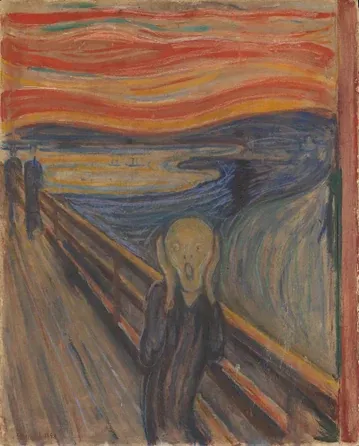
The renowned Norwegian artist Edvard Munch painted “The Scream” in 1893. Among all the pictures ever created, it ranks among the most recognizable. An agitated and warped environment serves as a backdrop for the figure who stands on the bridge in the artwork. The mix of eerie lighting, whirling lines, and bright colours all work together to make the artwork very emotionally impactful. An iconic representation of the human experience, “The Scream” is an expressive masterpiece that has stayed with audiences for more than a century. It can be viewed at the National Gallery and Munch Museum in Oslo, Norway.
6. Michelangelo’s ‘The Creation of Adam’
Ticket cost: €20 ($22)
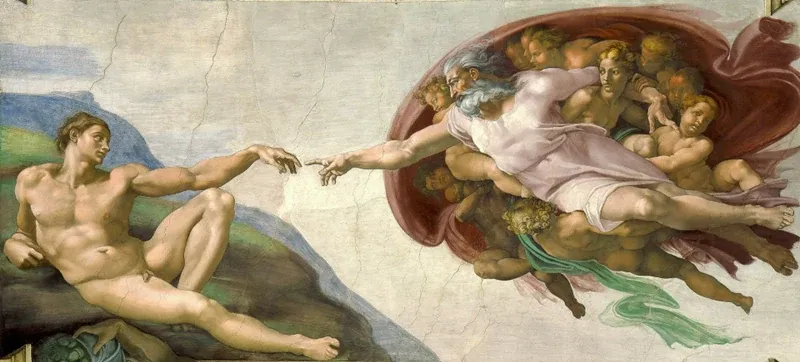
Part of the Sistine Chapel ceiling in Vatican City is the world-famous “The Creation of Adam” fresco artwork by the Italian Renaissance artist Michelangelo. The artwork, which dates back to 1508–1512, portrays a striking and famous image from the Book of Genesis where God gently touches Adam’s fingertips to give him life. Symbolism, composition, and the tense moment before human and heavenly meet are the painting’s most lauded features. Representing the bond between God and humanity, “The Creation of Adam” is hailed as a supreme work of Renaissance art and one of Michelangelo’s finest works.
7. Johannes Vermeer’s ‘Girl with a Pearl Earring’
Ticket cost: €19.50 ($21.50)
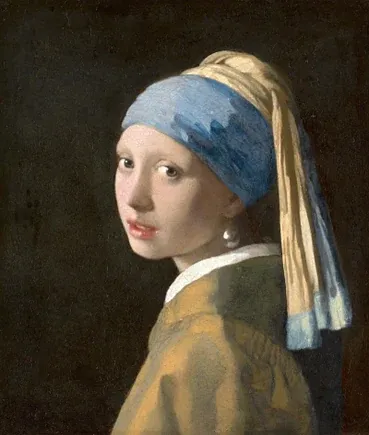
Dutch artist Johannes Vermeer painted the famous “Girl with a Pearl Earring” in 1665. It is displayed at the Mauritshuis Museum in the Hague, Netherlands. Renowned for its mysterious and mesmerizing depiction of a female, this masterwork is defined by her unique pearl earring. Not only is Vermeer’s use of light and colour stunning, but the subject’s identity remains a mystery, adding to the artwork’s continuing allure. The mystery of who she was, a servant, a model or the artist’s imagination has always been a point of discussion amongst art enthusiasts. As an enduring symbol of the allure and mystery of Dutch Golden Age painting, “Girl with a Pearl Earring” speaks for itself.
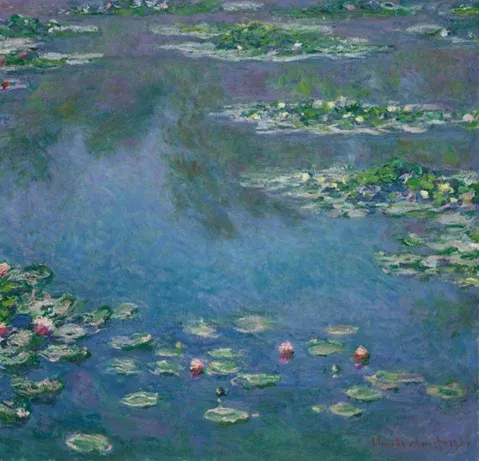
8. Claude Monet’s ‘Water Lilies’
Ticket cost: $28
Claude Monet is known for his “Water Lilies” series of Impressionist paintings. From 1897 until 1926, he painted around 250 tranquil artworks from his water garden in Giverny, France. Water lilies and the foliage around them reflect in a pond in this sequence of large-scale paintings by Monet, whose preoccupation with colour, light, and the ever-changing aspect of things is on full display. The creative technique used to capture the ephemeral moments and atmospheric circumstances of the natural world is what makes these paintings masterpieces of Impressionism. A few paintings from these series are housed at the Metropolitan Museum of Modern Art in New York. So, if you happen to go there to see the Starry Night, you can also see Monet’s Lily Ponds, or vice versa.
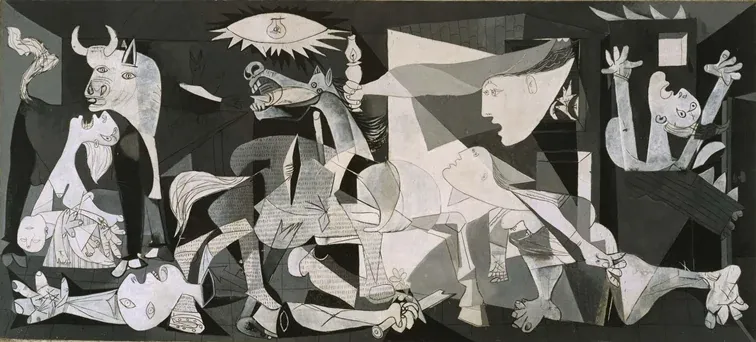
9. Pablo Picasso’s ‘Guernica’
Ticket cost: €12 ($13)
An iconic and powerful anti-war painting by Pablo Picasso, “Guernica”, dates back to 1937. It portrays the tragedy and destruction of the Spanish Civil War bombing of the town of Guernica. The artwork showcases deformed and distressed people, beasts, and structures and is primarily composed of monochrome tones of gray, black, and white. As a strong statement against the horrors of war and its toll on innocent people, it portrays an atmosphere of anarchy, misery, and hopelessness. One of Picasso’s most famous works, “Guernica” represents the atrocities of war and the never-ending fight for peace on a global scale. The painting, which is currently kept in Madrid, Spain’s Museo Reina Sofía, remains a moving portrayal of the human condition in armed conflict.
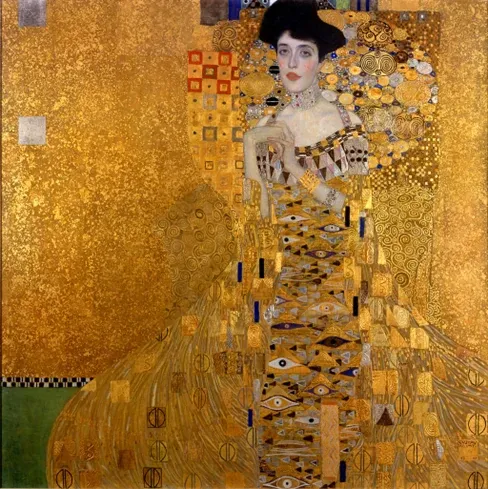
10. Gustav Klimt’s ‘Portrait of Adele Bloch-Bauer I’
Ticket cost: €23 ($25)
Gustav Klimt, an Austrian artist, painted the famous “Portrait of Adele Bloch-Bauer I” in 1907. Adele Bloch-Bauer was a major player in early 20th-century Vienna society, and this artwork is a breathtaking, elaborate picture of her. Intricate patterns and symbols embellish Adele’s golden gown, which reflects Klimt’s distinctive Art Nouveau design. The lavish decoration, including gold leaf and elaborate detailing, gives the picture an air of richness. Klimt regarded it as a masterpiece and a masterpiece of the Viennese Secessionist school. The portrait, which had been taken from the Bloch-Bauer family during World War II, was subsequently returned to them in a high-profile restitution lawsuit in the early 21st century, adding to its cultural and historical importance.
Visiting museums while traveling can definitely add to the additional costs, and sometimes this can feel annoying and unfair. But it is important to understand that museums collect varied amounts from visitors in order to pay for the enormous expenses of preserving and protecting priceless artworks, as well as to pay for operational costs, educational activities, and the acquisition or borrowing of new items. This is how they function; there is a whole ecosystem behind a well-functioning museum that runs partly on the admission fees. In addition to helping the museum stay afloat financially, these fees also go toward making art accessible and inclusive. Discounts, free days, and memberships are common ways that museums try to make art more accessible. In some countries, government financing even helps lower admission prices. Each organization’s ticket prices are based on their own budget and funding plan. The next time you visit a museum, keep in mind the importance of the fees is to preserve, protect and make art accessible to all.